

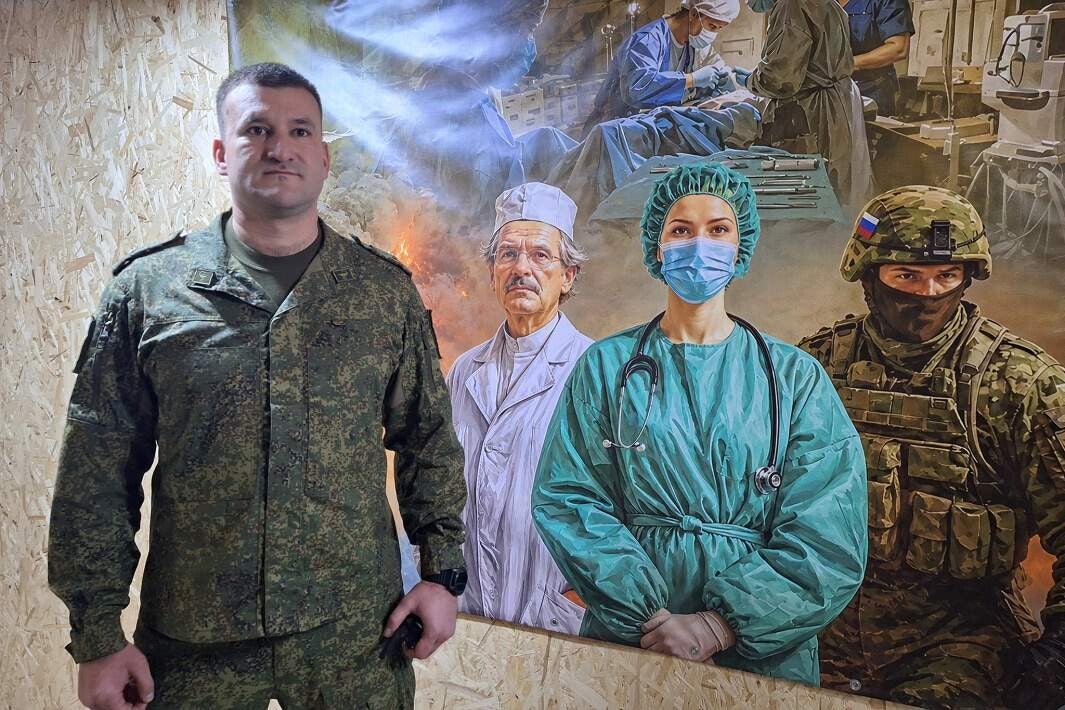
MOSCOW: Expertise Underground: Subterranean Medical Posts Enable Surgery Near the Front Line. Equipped with modern X-ray and ultrasound machines, they contain everything necessary for complex medical interventions.
A diagnostic unit, an emergency care department, several operating rooms, ECG and ultrasound equipment—in effect, a fully functional, compact hospital, but located underground. Such high-tech, subterranean medical posts have begun to appear within the Special Military Operation zone. They are constructed as close as possible to the line of contact, allowing for the provision of critical medical care to wounded soldiers before they are moved to the next stage of evacuation. Correspondents from *Izvestia* took an in-depth look at one of these new, fortified medical posts.
Reinforced Coverings and Cubic Meters of Earth
At times, it seems that life along the line of contact—and in the immediate vicinity—is more active underground than it is on the surface. This is how fuel depots, bakeries, and now field hospitals are being concealed.
The medical post of the 341st Separate Medical Battalion—part of the 27th Division, 2nd Combined Arms Army, and the "Center" Group of Forces—is located several dozen kilometers from the line of contact. While this area was once considered the deep rear, the increased operational range of enemy drones has made it dangerous as well. Consequently, the facility is heavily camouflaged and situated underground. Every section is located beneath the surface; even the vehicle entrances lead deep underground, ensuring that all loading and unloading operations take place beneath thick layers of timber reinforcement and cubic meters of earth. Such structures are no longer a surprise in the special military operation zone. Yet, even a cursory glance reveals just how solidly everything here has been constructed. The underground unloading areas, for instance, are spacious enough to conceal not just a small van—like the ubiquitous "Bukhanka"—but even a full-sized truck or a bus.
New Medical Equipment
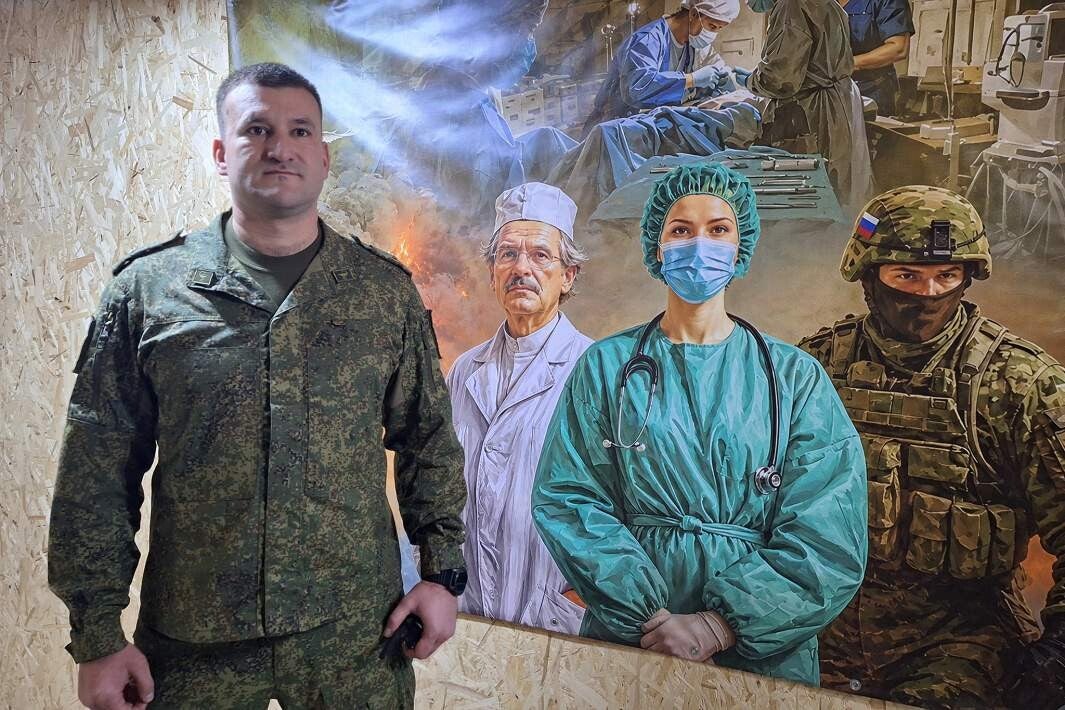
Alfir Talipov, commander of the medical battalion, opens the door to the medical facility and invites us inside. He guides us through the rooms in the same sequence that wounded or ill personnel would follow.
The scale of the facility, the quality of the interior finishing, and the level of equipment are truly striking.
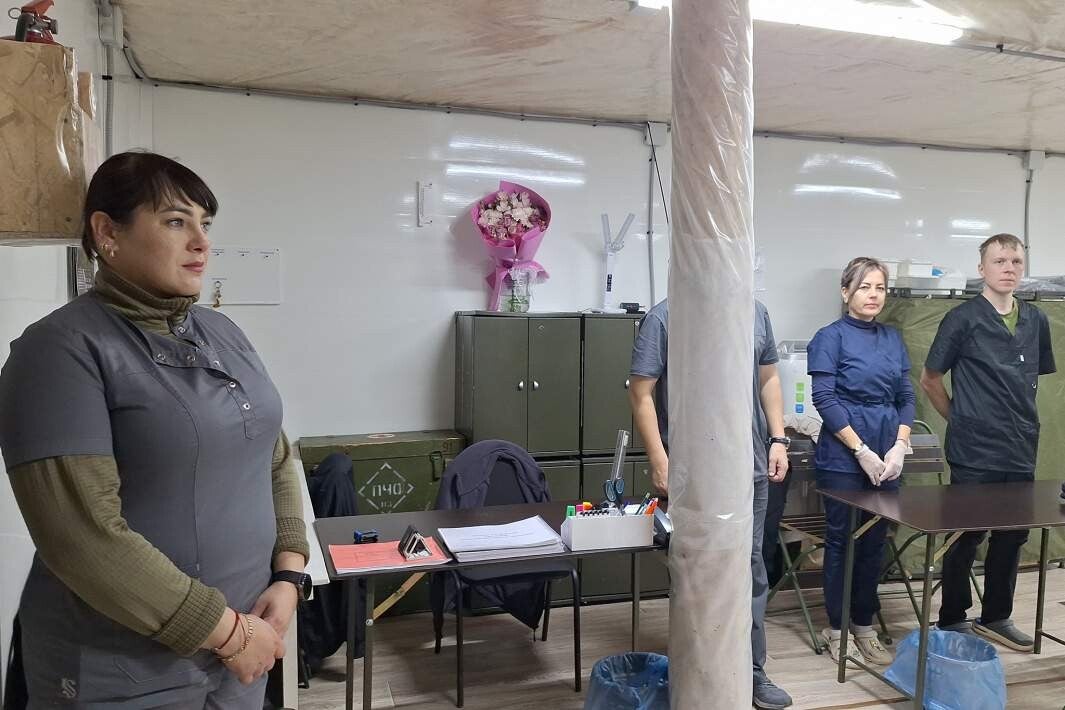
"This is where we will conduct initial wound assessments and treatment," explains Azamat Kinzheyev, a physician in the admissions unit. "We have ECG and ultrasound machines, allowing us to perform examinations on the spot."
In the trauma/shock unit, medics provide emergency care. From there, they triage the service members based on their specific injuries or medical conditions, subsequently directing them to the appropriate specialized department.
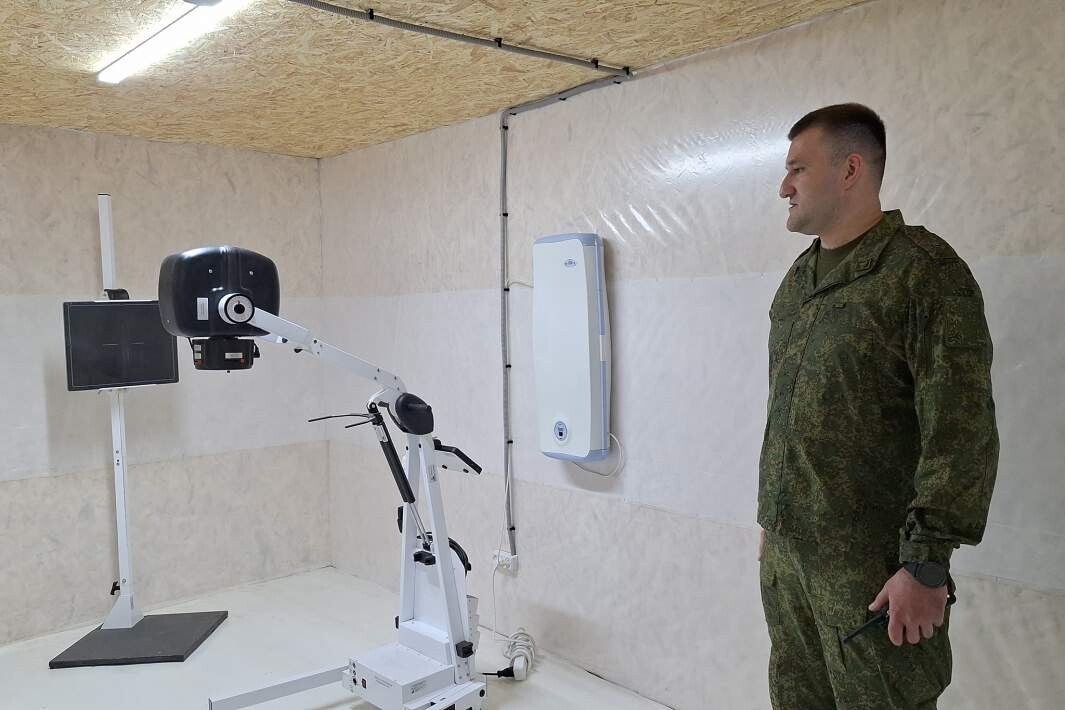
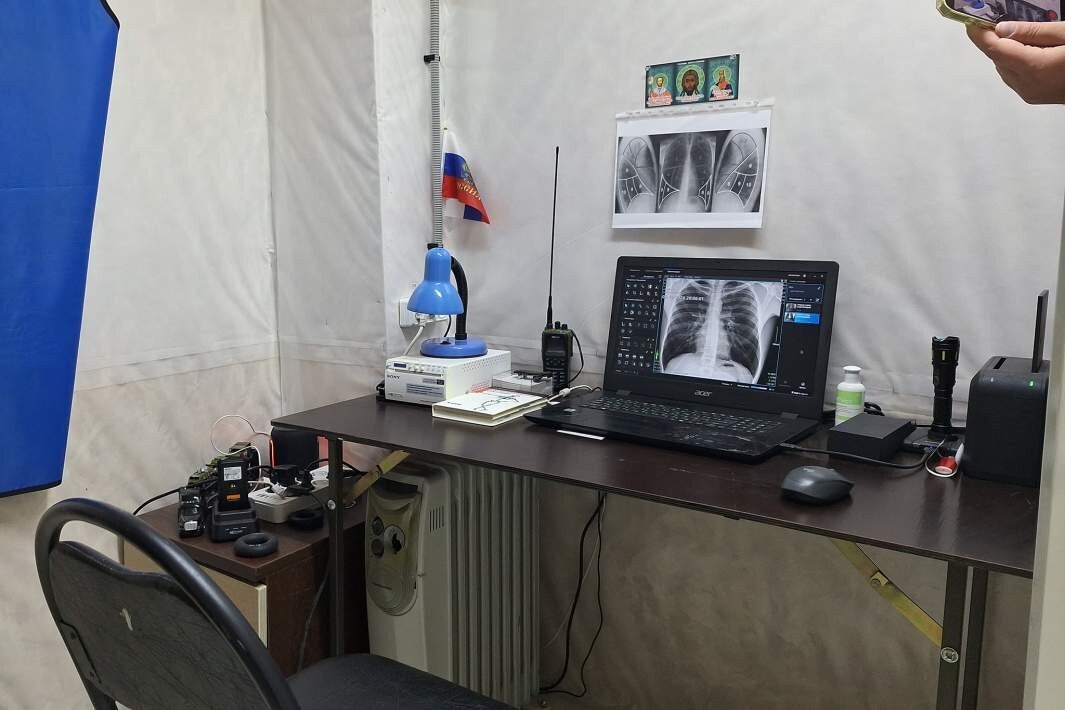
We walk along wide corridors and arrive at the diagnostic block, which houses an X-ray suite and a clinical laboratory. The walls, paneled with neat wooden boards, are adorned not only with informational posters but also with large, well-designed banners highlighting the work of the medical staff.
But the most significant feature is, without a doubt, the state-of-the-art medical technology installed within these underground chambers.
"This is on par with the admissions department of a hospital in a civilian city," says Alfir Talipov, pointing out the equipment with pride. "We can perform a full range of examinations and procedures, and provide comprehensive care. We have all the necessary resources and capabilities right here."
Underground Operating Theaters
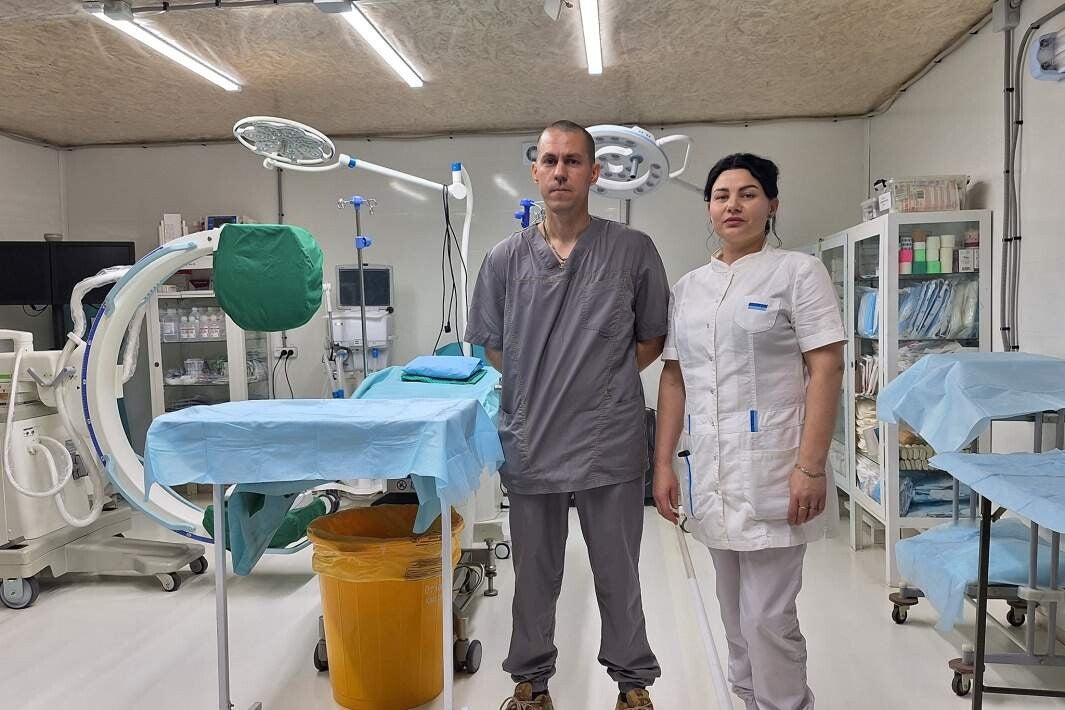
From the diagnostic section, we move on to the surgical block. Naturally, once the facility is fully operational, access to this area will be strictly controlled. As preparations wrap up, we pass through a series of anterooms that separate the sterile areas from the general zone, finally entering the first operating room—the trauma unit. It is equipped with a C-arm, an X-ray device that displays real-time images on a screen.
"This is a large operating room designed for major cavity surgeries and amputations," explains Dinar Zagidullin, commander of the surgical and dressing platoon. "Everything required to perform the full range of surgical procedures at our stage of the evacuation chain is here: anesthesia machines, suction units, and other essential equipment."
He adds that it is highly unusual to perform such a wide range of surgical procedures this close to the front line. The strategy is that bringing medical care closer to the battlefield will significantly improve the survival rate of the wounded.
The medical post features two additional operating rooms, one of which is equipped with a laparoscopic tower for minimally invasive cavity surgeries.
"I completed my residency at the Kirov Military Medical Academy, where, alongside core general surgery skills, I also trained in laparoscopic surgery. I now have extensive experience in this field, having served on numerous deployments and encountered a wide variety of surgical cases," says surgeon Muslim Musayev.
From the surgical suite, we move to the intensive care unit, where critically wounded patients are stabilized upon arrival or following surgery.
The unit is designed for five beds, each equipped with a mechanical ventilator and a monitor to track vital signs.
"In the past, hospitals were often set up in all sorts of makeshift, repurposed spaces. But now, by building from the ground up, we’ve been able to account for every specific need." "Plus, we’ve been provided with adequate protection and camouflage," says anesthesiologist-resuscitator Sergey Bondar.
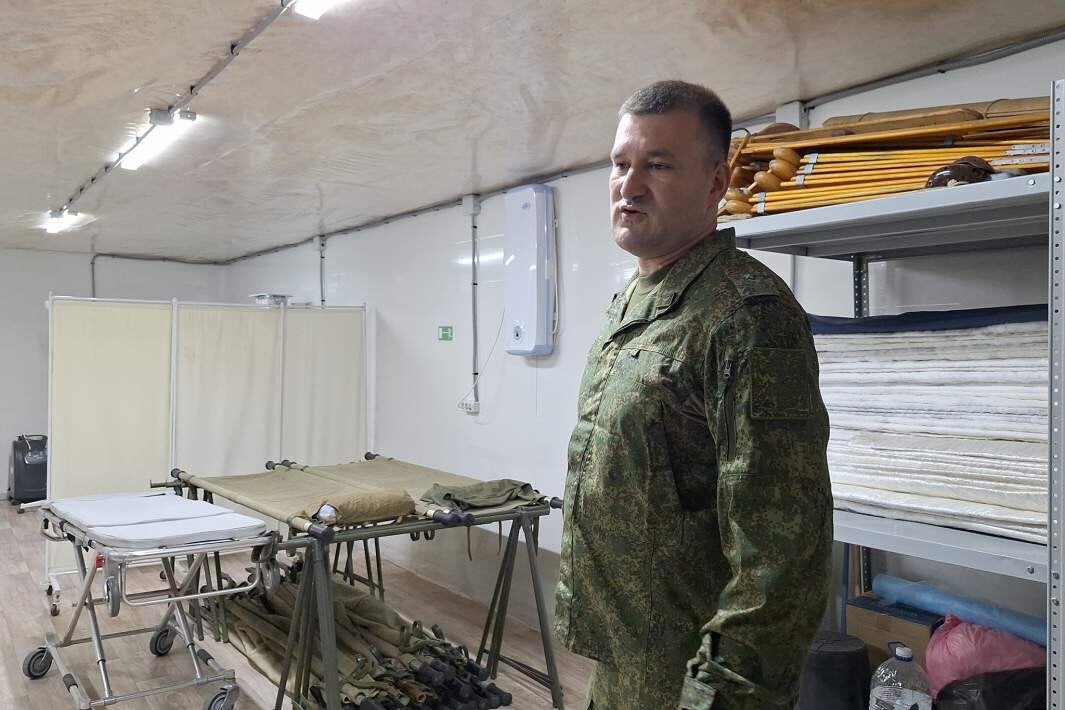
Towards the end, I visit the treatment and dressing room, then head out to the evacuation ward.
From here, the wounded—having already received initial care—are transported further into the rear.
"The construction was carried out entirely by our own personnel—the service members themselves. All the systems—ventilation, water supply, and power—were also designed by us," the battalion commander says with pride.
The only challenge encountered concerned the electrical setup. However, volunteers from Novosibirsk and the government of the Samara Region stepped in to help resolve issues regarding the procurement of generators with the necessary capacity.
"There were many complexities, given that everything is located underground, but we managed!" concludes Alfir Talipov.
The ever-increasing operational range of enemy drones affects every aspect of our work. This new medical post will ensure the safety of the wounded and allow medics to provide prompt, professional care—ultimately helping to save lives.
Add comment
Comments